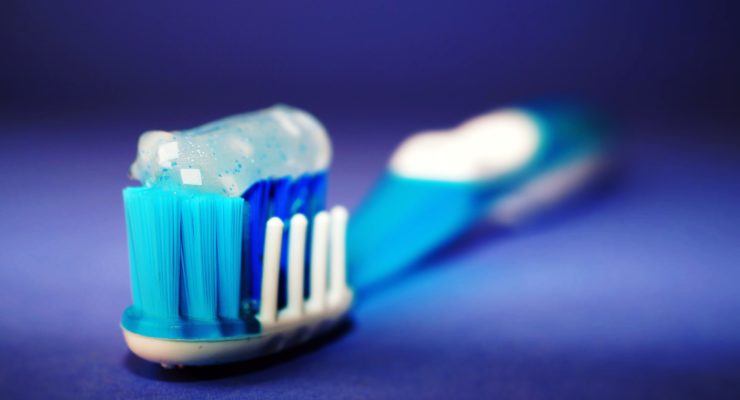
Take Care of Teenager’s Teeth
Looking after your smile
The teenage years are a time of growing independence and making your own choices. Looking after your teeth now can help you avoid tooth decay, gum disease and expensive dental treatment in the future.
Most of the advice on our Take Care of Your Teeth page applies to teenagers too, including effective toothbrushing, reducing sugar and attending dental check-ups.
There are also some issues that become particularly relevant during the teenage years, such as vaping, energy drinks, braces, mouth piercings and contact sports.
Follow this link to our page “Take Care of Your Teeth”

Keep Your Smile Healthy
Looking after your teeth is not just about preventing dental problems in the future. It can also help you feel more confident now.
Healthy teeth and gums can help keep your breath fresh, reduce staining, and maintain a smile you feel comfortable sharing with friends, family and in photos. Looking after your oral health can also help you avoid problems such as toothache, swollen gums and visible tooth decay, which can affect confidence and wellbeing.
Small daily habits, such as brushing effectively, reducing sugary drinks and attending dental appointments, can make a big difference over time. Looking after your smile now can help keep your teeth healthy, strong and looking their best for years to come.

- Brush twice a day with fluoride toothpaste
- Clean between your teeth every day
- Keep sugary snacks and drinks to mealtimes
- Protect your teeth during sports
- Avoid smoking and vaping
- Attend dental appointments when offered

Sugar and Drinks
Plaque is a sticky layer of bacteria that constantly forms on our teeth. When these bacteria feed on sugar, they produce acids that attack tooth enamel and can lead to tooth decay.
During the teenage years, it can be easy to pick up sugary snacks and drinks on the way to school, at break times or when out with friends. Sweets, chocolate, biscuits, fizzy drinks, energy drinks and many fruit drinks all increase the risk of tooth decay.
Some drinks labelled as “no added sugar” still contain natural sugars, while sugar-free fizzy and energy drinks may still be acidic enough to damage tooth enamel. This means that both sugar and acid can affect the health of your teeth.
The most important thing is to reduce how often your teeth are exposed to sugar and acid. Sipping drinks or snacking throughout the day gives your teeth less time to recover between acid attacks.
To help protect your teeth:
- Keep sugary foods and drinks to mealtimes where possible.
- Avoid regularly sipping fizzy, energy or fruit drinks throughout the day.
- Choose water or milk between meals.
- Choose tooth-friendly snacks such as fruit, vegetables, cheese or unsalted nuts.
Small changes to your daily habits can make a big difference to keeping your teeth healthy for life.

Nicotine
Smoking
Smoking can have a serious impact on the health of your teeth, gums and mouth. It can cause bad breath, tooth staining, gum disease and tooth loss, and it significantly increases the risk of mouth cancer.
Vaping
Although vapes are an effective reduced-harm tool for adult smokers who are trying to switch away from tobacco, they are not risk-free and should not be used by non-smokers or anyone under 18 years of age.
Most vapes contain nicotine, which is highly addictive. Nicotine can affect the health of your gums and mouth, and addiction can be expensive, increase stress levels and make it harder to concentrate. Contrary to popular belief, smoking and vaping are not effective ways of managing stress.
There are also concerns about illegal vapes being sold to young people. Vapes purchased from unregulated sellers may not meet UK safety standards, and there can be no guarantee about what ingredients they contain. Illegal vape liquids have sometimes been found to contain harmful substances that are not listed on the packaging.
Some vape liquids also contain flavourings that are sweet or sour. While these flavourings do not usually contain sugar, they can be acidic and may contribute to the wear of tooth enamel over time.
The best choice for your oral health and overall health is not to smoke, vape or use nicotine products. If you already smoke, support is available to help you quit.
Nicotine Pouches
Nicotine pouches are small sachets placed between the gum and lip to release nicotine without smoking or vaping. They are sometimes marketed as a cleaner or more discreet alternative to cigarettes and vapes, but they are not risk-free.
Most nicotine pouches contain high levels of nicotine, which is highly addictive. Nicotine can affect the health of the gums and may cause irritation, soreness or damage to the tissues where the pouch is regularly placed. Long-term use can increase the risk of gum recession, where the gum pulls away from the tooth and exposes the root surface.
As with vaping, nicotine pouches should not be used by children, young people or people who do not already use nicotine products. The best choice for your oral health and overall health is to avoid nicotine in all its forms.

Braces
For information about living with braces, follow this link to the Oral Health Foundation website.
Braces can help improve the appearance of your smile, make teeth easier to clean and improve the way your teeth bite together. Orthodontic treatment can be used to straighten crowded teeth, correct teeth that stick out, and improve how the upper and lower teeth meet.
Looking after your teeth during orthodontic treatment is especially important. Plaque and food can become trapped around brackets, wires and aligners, increasing the risk of tooth decay and gum disease if they are not cleaned away effectively.
If you have braces:
- Brush thoroughly with fluoride toothpaste last thing at night and at least one other time during the day.
- Take extra care to clean around brackets, wires and along the gum line.
- Clean between your teeth and under wires every day using interdental brushes or other aids recommended by your orthodontist.
- Limit sugary and fizzy drinks, and avoid frequent snacking on sugary foods.
- Avoid hard, sticky foods and chewing gum, which can damage braces.
- Attend regular appointments with both your dentist and orthodontist.
It is normal for braces to feel uncomfortable for a few days after they are fitted or adjusted, but this usually settles quickly. When treatment is complete, retainers are needed to keep teeth in their new position and prevent them from moving back.
Mouth Guards
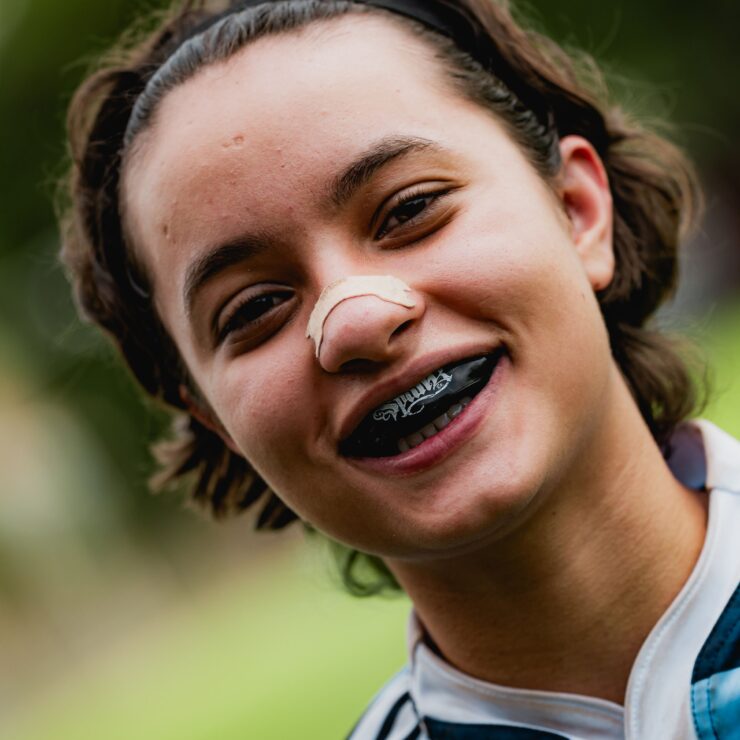
If you play contact sports or activities where there is a risk of falls, collisions or being hit in the face, wearing a mouth guard can help protect your teeth, lips, tongue and jaw from injury.
A knock to the mouth can cause chipped or broken teeth, damage to braces, cuts to the lips and cheeks, or even the loss of a tooth. These injuries can be painful, expensive to treat and may have lifelong consequences.
Sports such as rugby, hockey, boxing, martial arts, skateboarding, BMX riding and some forms of basketball carry a higher risk of dental injuries. Wearing a mouth guard can help absorb and spread the force of an impact, reducing the risk of serious damage.
Mouth guards are available from sports shops, but a custom-made mouth guard provided by a dentist offers the best fit, comfort and protection. If you wear braces, speak to your dentist or orthodontist about the most suitable type of mouth guard for you.
Protecting your teeth is just as important as protecting the rest of your body. Wearing a mouth guard is a simple way to keep your smile safe while enjoying sport and physical activity.

Piercings
Lip and tongue piercings can be a way of expressing your individuality, but they can also affect the health of your mouth.
Mouth piercings may increase the risk of chipped or cracked teeth, damage to the gums, infection, and difficulties with eating, speaking or cleaning your teeth. Jewellery can also rub against the soft tissues of the mouth, causing irritation or injury.
A piercing may make it harder for saliva to reach some areas of the mouth. Saliva helps protect teeth by washing away food and bacteria, neutralising acids and supporting the health of the gums.
If you choose to have a mouth piercing, make sure it is carried out by a reputable professional who follows good hygiene and infection-control practices. It is important to keep the piercing and your mouth clean while it heals and to seek advice if you notice signs of infection, swelling or ongoing discomfort.
For more information about mouth piercings, oral tattoos, tooth jewellery and grills, follow this link to Safe Smiles from the Oral Health Foundation.