
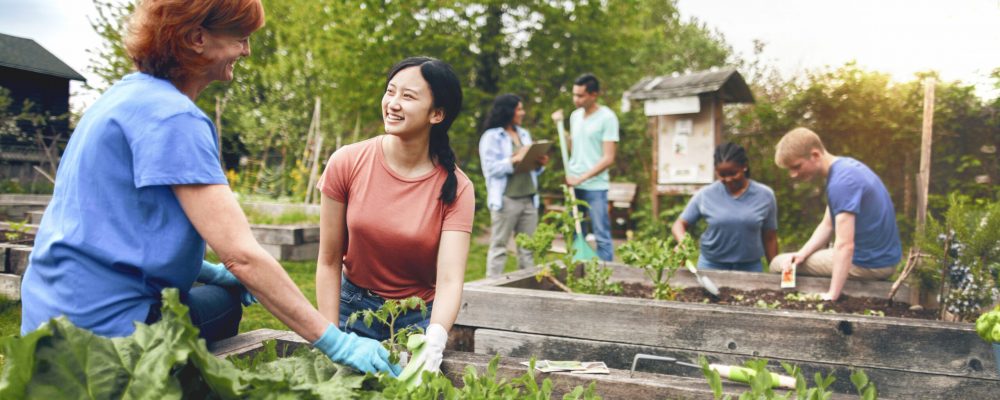
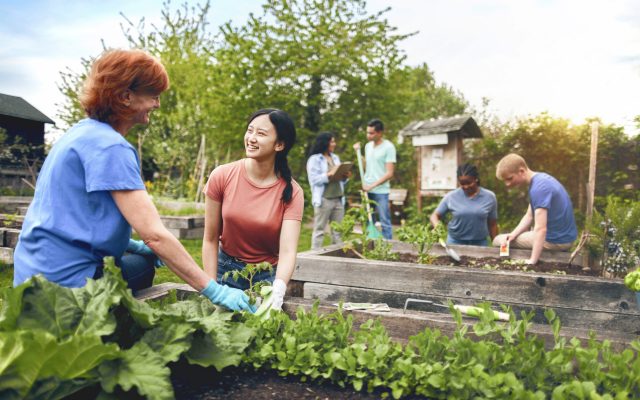
The Community Food Grants Scheme (2022–2025), funded by North Somerset Council, is a successful place-based, community-led approach to tackling food insecurity, health inequalities and social isolation. Over three years, the scheme supported 8 diverse projects, engaging nearly 1,000 participants through cooking, growing and nutrition-focused activities.
The main aims of the scheme are to support projects that encourage:
- Access to nutritious and affordable food
- Healthy eating
- Improved food knowledge and skills
The projects
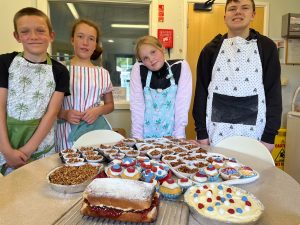
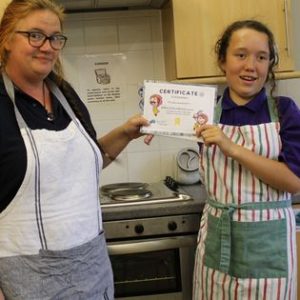
Banwell Youth Cookery Project
The aim of the project was to support young people in learning and developing basic cooking skills, recipes and acquiring transferable skills. The project was a huge success and demonstrated that participating in the course and attending the sessions improved confidence levels and encouraged friendships. The participants developed in confidence, social interactions with the group and how to manage their anxiety. The young people learnt some new cooking skills that they were able to apply in their home environment.
Feedback:
“These sessions have been a great success, the young people that have taken part have not only learnt some great new skills but have also gained confidence” (Project organiser)
“What an amazing opportunity for these young people, they have learnt valuable life skills. I can’t wait to see what she cooks at home” (Parent of participant)
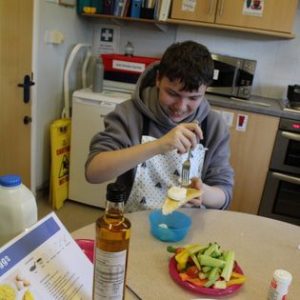
Boombox Youth Project Healthy Cooking for young people
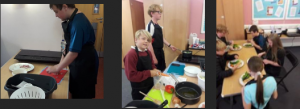
The aim of the Boombox healthy cooking sessions was to enable young people to develop cooking skills and knowledge of how to cook and eat a range of healthy meals within a low budget. The sessions helped the young people build confidence and team working skills, and some were able to practice peer leadership.
“Young people learnt about food hygiene, safe cooking practices, and developed confidence through hands-on sessions.” (Boombox)
Brown Rock – Grow Days
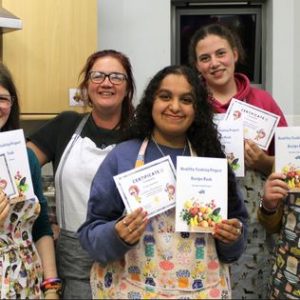
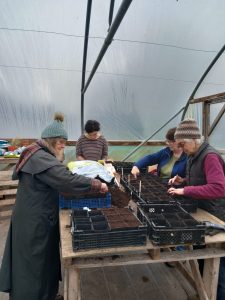
Grow Days were a weekly session at Brown Rock Community Garden CIC, from March to November. Everyone was welcome, whatever their ability, and the session was run by 2 facilitators. Homegrown soup was provided for lunch, and participants would also take home produce at the end of the session.
Participants would spend the session learning about ecological food growing, and connecting with each other, creating a sense of community and camaraderie. Different abilities were planned for, with opportunities to get some good physical exercise from shovelling compost, or sitting down and sowing seeds, if mobility was a challenge. During peak season, weekly deliveries of produce were made to Nailsea Foodbank, including mixed salad bags, tomatoes, courgettes, cucumbers, and peppers.
“Friendships were made, and a community created around growing food.” (Brown Rock)
Food for Thought – Alliance Homes
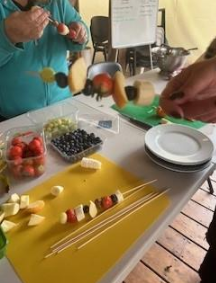
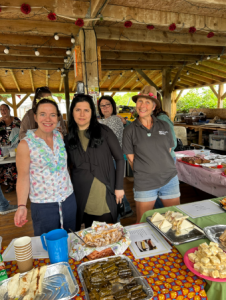
The purpose of the project was to offer a range of opportunities for young and adult carers to come together to enjoy food. Overall, the sessions were highly successful in fostering community engagement and improving food-related skills among participants. The combination of social interaction, practical cooking experience, and outdoor activities created a positive and memorable environment. Feedback indicates that the program not only increased confidence in preparing healthy meals but also encouraged participants to try new foods and cooking methods. Continued delivery and expansion of these sessions could further strengthen community ties and promote healthier eating habits.
“Bringing young and adult carers in groups to a beautiful and peaceful environment was a great success in terms of reducing anxieties.” (Food for Thought)
“The smiles on people’s faces showed the benefits of being together outdoors.” (Food for Thought)
Pill Youth Club – Eat Well, Live Well and Eat Well, Prepare and Share
The project aimed to provide the young people with independence and life skills around nutrition, cooking and growing food. Participants also learned about the life cycle of food and how to avoid waste.
“The consistent message was that it is possible to eat unprocessed, fresh healthy food whilst staying within a tight budget and ensuring all nutritional needs are met.” (Project Organiser Pill Youth Club)
Super Culture – Solidarity Suppers
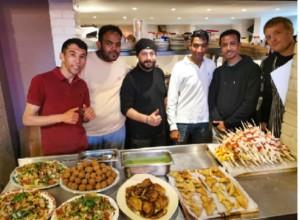
Super Culture, in collaboration with Loves CiC, brought together members of the refugee and asylum seeker communities at Loves Café and Front Room in Weston-Super-Mare to share recipes, cooking skills, stories and meals.
Overall, Solidarity Suppers successfully leveraged food as a familiar and empowering medium to foster social cohesion and cultural exchange among refugee and asylum seeker communities. While most participants demonstrated strong cooking confidence, the sessions also addressed practical challenges related to living conditions and cultural adjustment. Importantly, the project extended its impact beyond social engagement by offering trainee-ships, bridging participants into employment opportunities within the catering sector. This dual focus on community building and economic empowerment underscores the value of food-based initiatives in supporting integration and resilience.
“Cooking as a known quantity for participants became a tool for building connections and social cohesion.” (Solidarity Suppers)
Weston Foodbank Self Help Cookery Course
The project was split into 3 courses targeting different groups and it aimed to teach healthy cooking and eating. The evaluation of the project demonstrated that the attendees had a very positive experience, for example one of the participants reported:
“I had an amazing time. I ended up using food that I didn’t like, to hide in my food and I found it tasted even better than before. It has changed my shopping habits as well, and my monthly shop is now a lot cheaper. Thank you Amy”.
Some of the participants would like to apply the skills they acquired at Weston Foodbank beyond the project.
XTND – Parent and Child Cooking Groups
Cooking groups will take place at local Weston-super-Mare primary schools for parents and children where skills can be gained to provide healthy, nutritious and budget-friendly food for their families. The group will aim to equip the participants with skills to access and cook healthy meals and avoid convenience meals. Parents have identified this type of group as something that they would benefit from and as such will be led by their ideas and enthusiasm, and they will be encouraged to develop and run the sessions themselves as the groups progresses.
XTND successfully met its key outcomes by promoting nutritious, affordable food choices, improving cooking confidence, and fostering social connections. Participants reported positive changes in eating habits, greater engagement from children, and increased use of home-cooked meals. The sessions not only built practical skills but also strengthened community ties and supported mental wellbeing. The ripple effect of families sharing knowledge and inviting others demonstrates the project’s sustainability and long-term potential. Overall, XTND illustrates how cooking-based interventions can empower families, improve health, and create pathways to broader life improvements.
“Parents reported that the group was helping their mental wellbeing as it was giving them something new to do outside of their homes.” (XTND)
“Participants reported increased willingness to try new foods, including their children who became more engaged in cooking and eating healthy options.” (XTND)