

Supporting children who resist toothbrushing
including autistic children or those with sensory needs
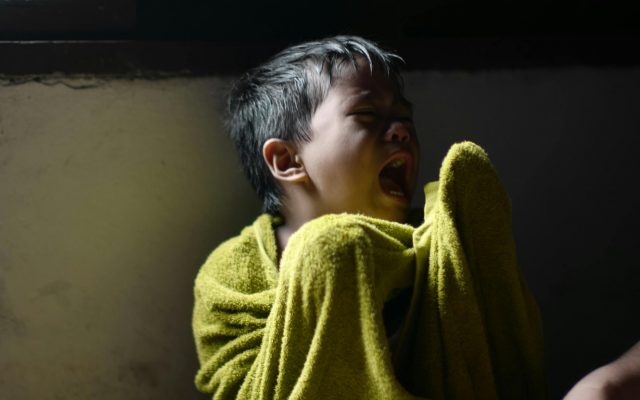
For many children, brushing teeth is not easy. Sensory sensitivities, anxiety and communication difficulties can make it even trickier. If brushing has become a daily struggle, you are not alone. This page brings together simple, practical tips that might help make toothbrushing more comfortable and fun.
Why brushing matters
Even though baby teeth eventually fall out, children who have had good brushing habits are less likely to get tooth decay, pain, trouble eating or speaking and difficulties with their adult teeth.
Autistic children may find brushing especially hard due to:
- Sensory Sensitivities (taste, texture, foam, sound, bristles)
- Motor coordination difficulties
- Communication challenges
- Anxiety about new or unpredictable routines
Understanding why your child finds brushing difficult is the first step to helping them.
Sensory Friendly Brushing
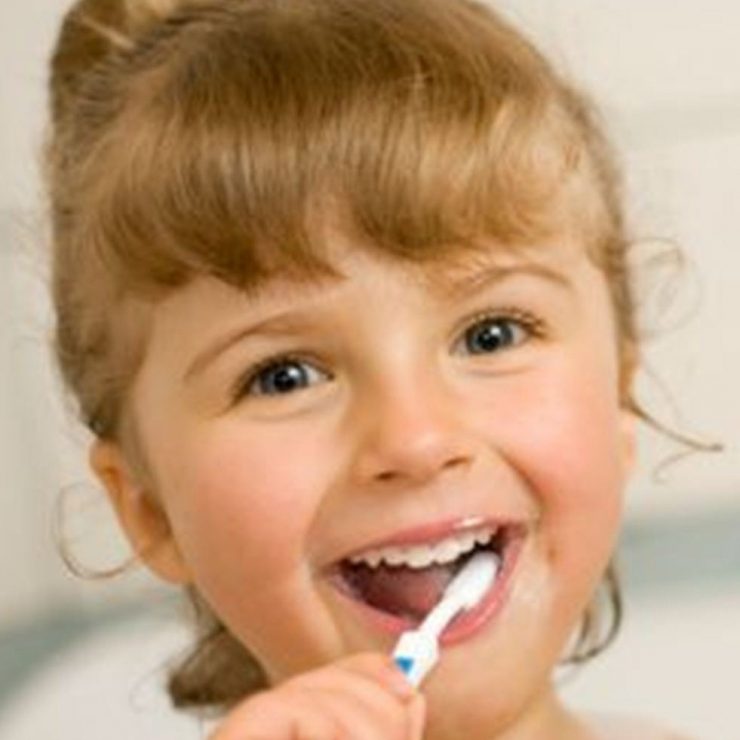
Children with sensory sensitivities may experience brushing as painful, overwhelming or “too much”.
Tips for comfort
- Brushes with soft bristles, or even special non-bristle brushes. Then slowly introduce toothbrushes.
- Try non-foaming toothpaste; if you’ve tried all the flavours, it might not be the taste your child doesn’t like, but the feeling of the foam. There are fluoride toothpastes available that don’t foam up.
- Warm the toothbrush slightly under water to reduce the shock of cold bristles.
- Press gently on your child’s lips, cheeks or jaw before brushing. This can help to reduce sensitivity.
- Try some fun actions that improve muscle resilience. Holding their mouth open for toothbrushing can feel like a strain for some children. By first pulling some faces that use the opposite muscles, the action can be made easier.
Tips for calm
- Soft lighting – if the bathroom light is too bright, could the hallway light be switched on and the door propped open?
- Low noise – think about if the toilet is refilling, the shower is on or the pipes are noisy – you may need to wait until it’s quiet, choose another room for toothbrushing, or find solutions to calming the noise
- No surprises – keep the bathroom, or whichever room you decide is best for brushing in, predictable and consistent. Make sure the floor is clean and dry, there are no strange smells or unexpected drafts from open windows.
- Choice and control – have choices of toothbrushes and/or toothpastes available so your child can choose which one to use each day
Routine all the way
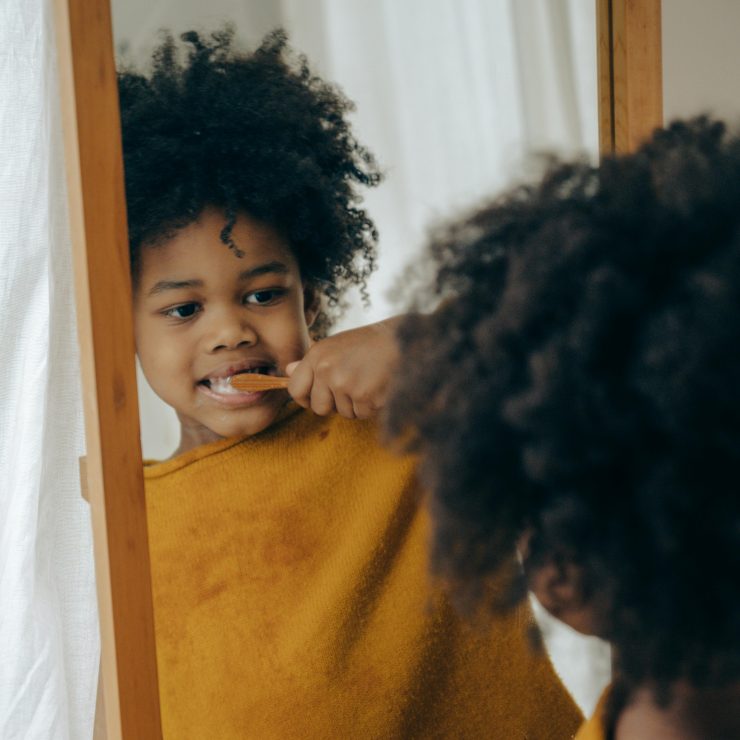
Autistic children thrive on structure. A routine can reduce anxiety and resistance and will help to build confidence.
Routine tips
- Brush at the same time, in the same place and with the same choice of tools each day.
- Use a visual schedule or simple picture steps to show what will happen next.
- Use a timer or two-minute song to help show long toothbrushing lasts. Using the same song each day, or picking from a small selection of songs, builds familiarity and helps the two minutes to feel shorter.
Slowly does it
Brushing can be easier when introduced gradually. Even for those who have brushed consistently before, if the routine has been lost, try taking tiny steps to get back to daily brushing.
The Autism Toothcare website follows some research done by autistic children, their parents and their support workers, called the ToothPASTE study. It has some excellent information on making small but significant steps towards best brushing. Follow this link to visit the Autism Toothcare website. Autism Toothcare
Making brushing playful
Children learn through play and we know that fun can reduce stress.
Playful tips
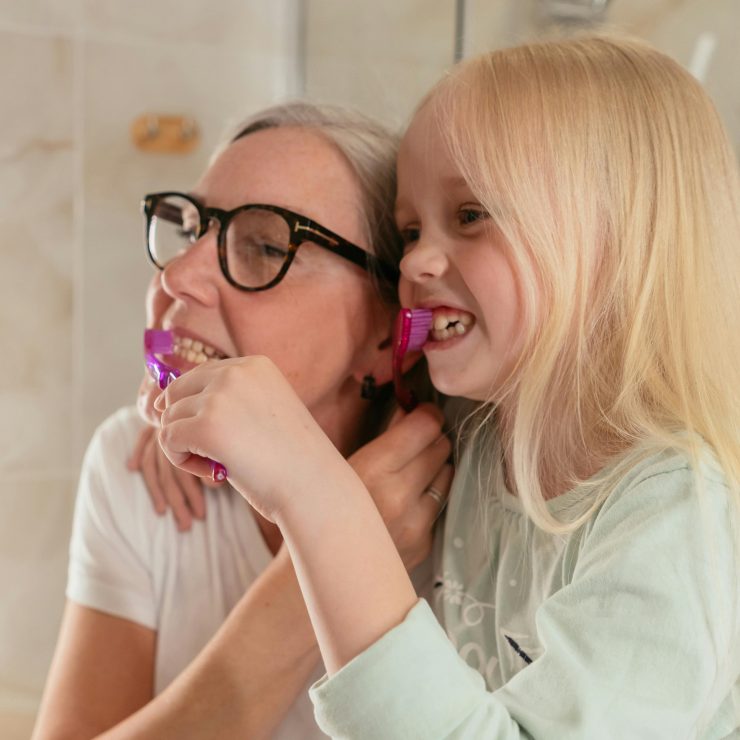
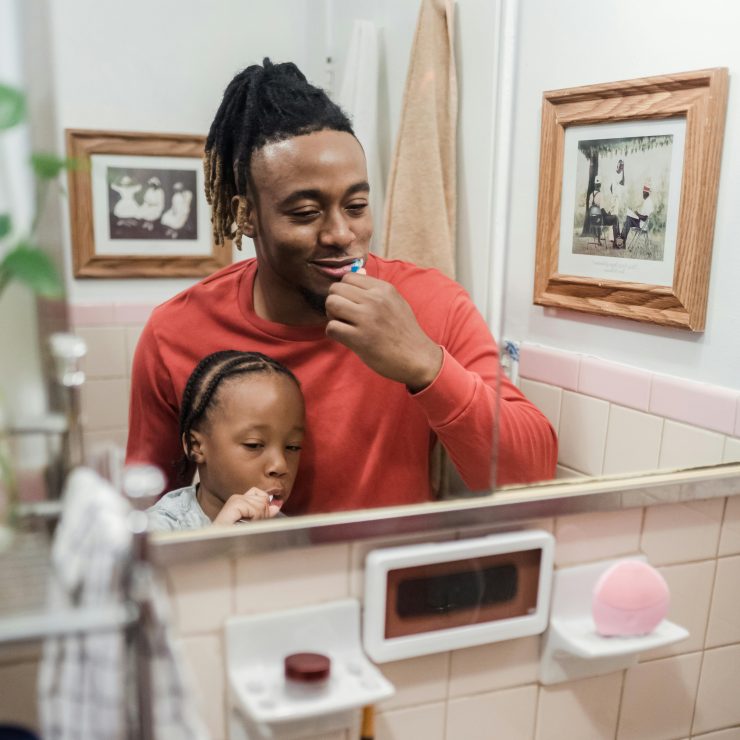
- Brush together – children love to copy adults
- Let them brush the teeth of a favourite toy
- Use apps or songs that make brushing fun
- Pretend there are sugar bugs hiding on the teeth that need to be chased away
- Use games and silly faces to keep the mood light
Reward effort
When you feel like you’re battling for simple things, perfection feels a long way off. These tips for rewards are about praising your child for giving it a go. You can work on technique later!
Tips for Rewards
- Toothbrushing charts – tick or use stickers to show brushing twice a day; after an agreed number of brushing attempts, award a small gift, or certificate. Keep to small, affordable items in case this tactic works and needs repeating multiple times!
- Show off to someone else – give stickers, certificates or a simple note for your child to take to nursery, school, Nanny’s house or the neighbours – to show off that they have brushed their teeth today. Let someone else give them lots of praise.
- Special toothbrush – have a special toothbrush reserved for Fridays, brought out only if they have done 5 good days of brushing.
When it feels impossible
If you’ve tried these tips and more, and brushing is still difficult, it is worth thinking about some of this:
- Pain – sensitive teeth or gums can make brushing really uncomfortable. Talk to a dentist if your child seems to be in pain.
- Patience – holding a child down to brush their teeth can cause fear and long-term refusal to brush. Try building patience through gradually introduces aspects and desensitisation techniques.
- Professionals – some dentists specialise in working with autistic children and offer sensory friendly clinics. Ask a health visitor or school nurse for support finding one suitable for you.
- Parents – remember that your habits matter. Your children learn by watching you. Brush your teeth with enthusiasm and let them see you do it twice a day, even if that means you end up brushing more. Let them see brushing as a normal, positive part of daily life.