


Helping children develop positive brushing habits
Many children go through periods where they resist having their teeth brushed. This can happen for lots of reasons including wanting more independence, anxiety, sensory sensitivities, communication differences, tiredness or simply not wanting to stop what they are doing.
If toothbrushing has become a daily struggle, you are not alone. This page shares practical ideas that can help make brushing easier and build habits that last a lifetime.
Some of these strategies may be particularly helpful for autistic children and children with SEND.
If you are looking for guidance on toothbrushing more generally or on taking care of teeth in children with SEND, consider following the links to some of our other pages.
Take Care of Teeth in SEND Children Toothbrushing
A quick bit of theory…
When a child refuses to brush their teeth, there is usually a reason behind the behaviour.
The COM-B model of behaviour change suggests that healthy habits are more likely to happen when people have:
- The Capability to do them
- The Opportunity to do them
- The Motivation to do them
Understanding which of these areas is causing the difficulty can help you find solutions that work for your child.
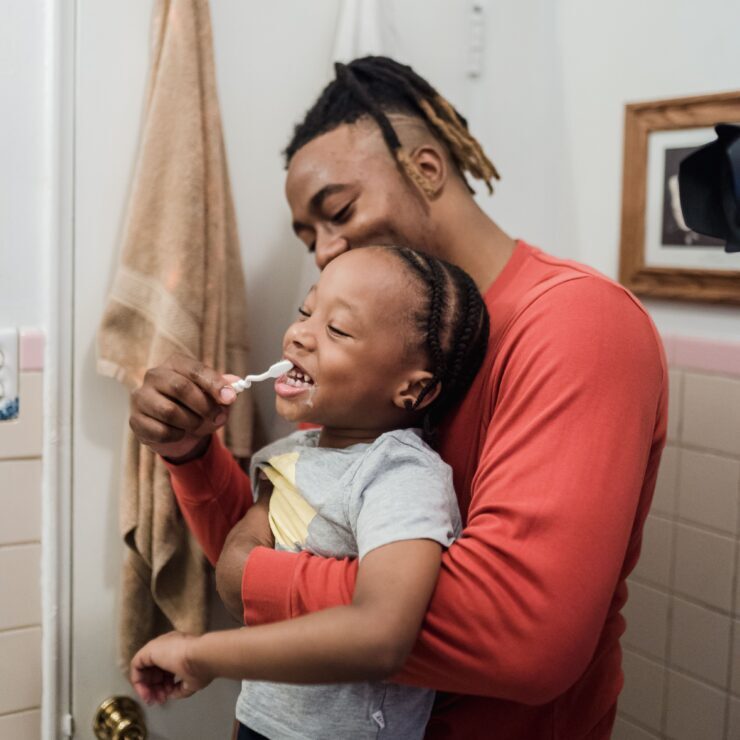
Capability
This means two things:
- The physical skills to brush their teeth
- The understanding of why toothbrushing is important
Struggles might be caused by:
- Poor co-ordination or manual dexterity
- Difficulties holding a toothbrush
- Discomfort holding mouth open
- Sensory sensitivities
- Dislike of toothbrush / toothpaste
- Tooth pain
- Limited understanding of why brushing matters
You could consider if any of these might help:
- Smaller or three-sided toothbrush
- Non-foaming or flavour-free toothpaste
- Reading a book or watching a video about the importance of toothbrushing
- More hands-on assistance, including taking it turns with child or holding the brush together
Opportunity
This means two things:
- The necessary tools, space and time are available
- The people around them support and value toothbrushing
You could consider if any of these might be a problem:
- the environment of the bathroom (e.g. the lighting or noises)
- tight time pressures (e.g. rushed morning/bedtime routine)
- tiredness
- routine changes
- changes to the room in which toothbrushing takes place
- lack of support for toothbrushing from friends or family members
If any of these might be true, you could consider:
- Preparing the bathroom before toothbrushing to make it a more pleasant experience.
- Giving the morning / bedtime routine more time to allow for a calm and predictable toothbrushing activity. Use a timer or toothbrushing app to ensure that it is given at least two minutes.
- Seeking support for sleep routines and giving tired children lots of patience and support.
- Talking to your child about their preferences in toothbrush or toothpaste and seeking a happy solution.
- Build a routine that you can stick to, make visual timetables to help your child learn the routine and understand what happens when.
- Identify a suitable room in which your child can brush their teeth, ask them to help you make it great (e.g a mirror at their height, good lighting) and let that be the room they always brush in.
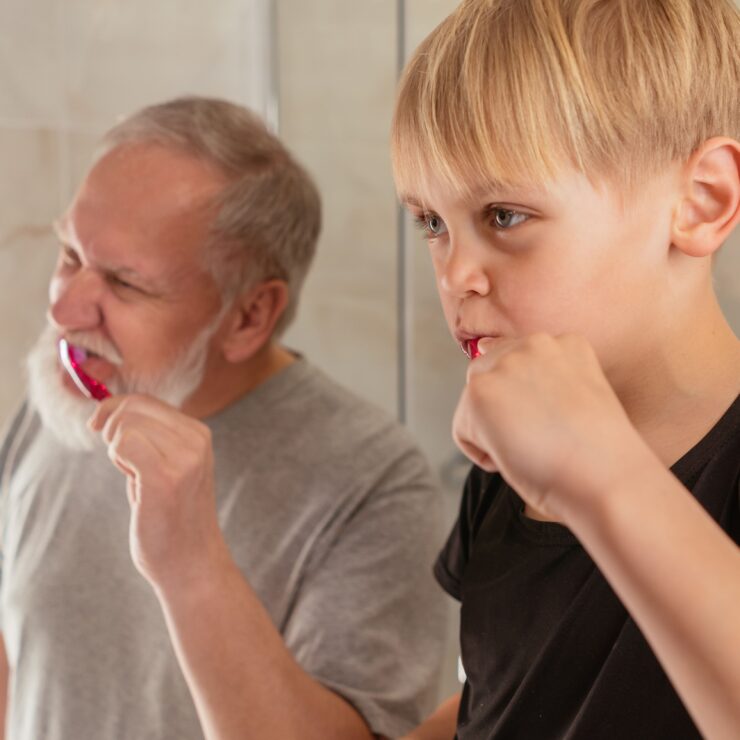
- Let your child see you brush your teeth, floss, etc. Outside of the pressures of toothbrushing time, talk to them about why you think it is important. Let them brush with older siblings / aunts / uncles / cousins etc.

Motivation
This means two things:
- The willingness to brush teeth generally
- The willingness to brush teeth here and now
You could consider if any of these barriers apply for your child:
- Toothbrushing feels boring
- The benefits feel too far away
- They would rather continue another activity
- They want more independence and control
- Previous brushing experiences have been unpleasant
If one of these applies, you might find that some of these things help:
- Praise and incentives such as reward charts
- Gamifying toothbrushing including through apps
- Choosing a new toothbrush they look forward to using
- Brushing as a family so nobody is seen to be having more fun or freedom
- Using disclosing tablets (that turn plaque blue) to introduce an immediate effect to brushing. (Not recommended on a tight schedule as it can take some time to remove)
Progress not Perfection
Many families will find that more than one barrier is getting in the way of toothbrushing. Start by identifying the easiest changes to make and build from there.
Success does not have to mean two perfect minutes of brushing straight away. For some children, success might mean:
- Holding a toothbrush independently
- Tolerating toothpaste
- Brushing for a little longer than yesterday
- Allowing support with part of the routine
Small improvements add up over time. The habits children build now can help protect their teeth for years to come.