Take Care of Your Teeth
This page provides oral health advice and guidance for adults who look after their own teeth and mouth.
Looking for advice for supporting someone else? Follow these links to our other “Take Care of” pages for:
“Children’s Teeth”“Teenager’s Teeth”“Teeth in SEND Children”“Oral Health for Carers”
5 Top Tips to SMILE
Before reading into the details, the acronym SMILE gives an overview of five things you can do to protect your oral health:
M – Maintain good oral hygiene
I – Inspect your mouth regularly for changes
L – Limit sugary foods, sugary drinks and alcohol
E – Eliminate tobacco where possible
Toothbrushing
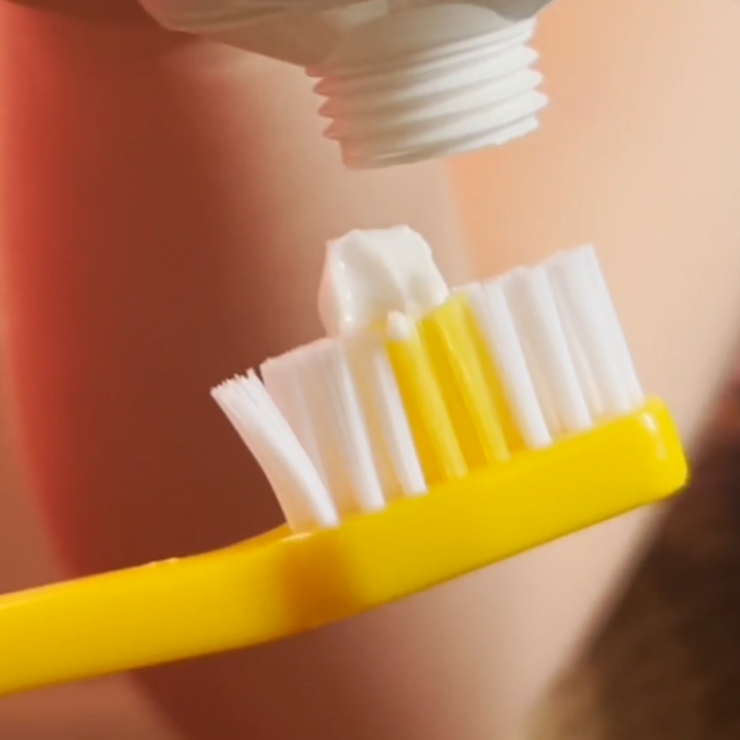
Looking after your teeth and gums starts with three simple steps: effective toothbrushing, limiting sugary food and drinks, and visiting a dentist regularly.
For practical advice on brushing your teeth correctly and choosing the right toothpaste and toothbrush, follow this link to our Toothbrushing page.
Reduce Sugar Intake
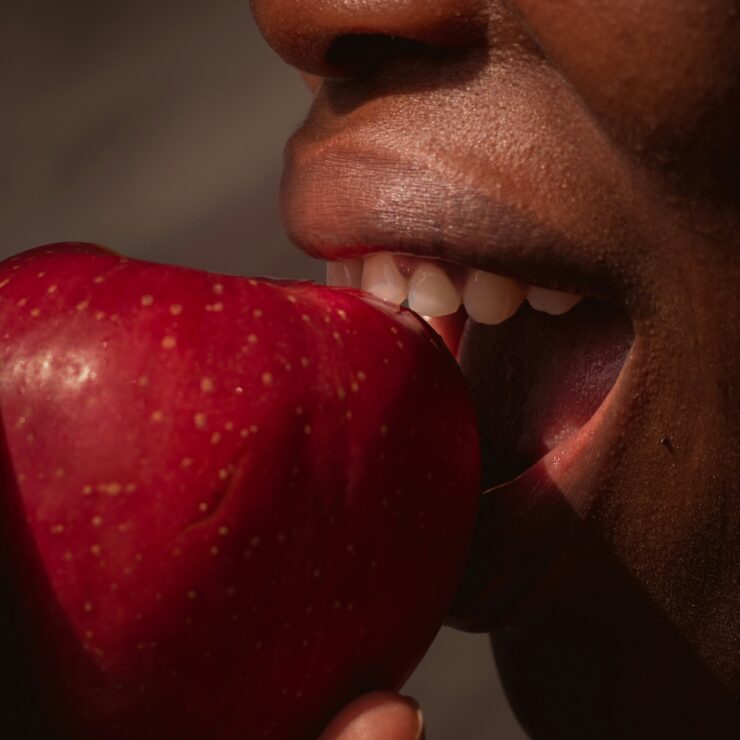
Every time we eat or drink something containing sugar, the bacteria in our mouth produce acids that attack our teeth. These acid attacks can continue for up to an hour, increasing the risk of tooth decay.
It’s not just how much sugar you have that matters, but how often you have it. Frequent snacking or sipping sugary drinks throughout the day means your teeth are under repeated acid attack. Try to keep sugary foods and drinks to mealtimes, giving your mouth time to recover between meals.
Foods and drinks high in sugar include sweets, chocolate, biscuits, cakes, puddings, dried fruit, squash and fizzy drinks.
Choose tooth-friendly snacks
If you need a snack between meals, choose foods that are kinder to your teeth, such as:
- Fresh fruit
- Raw vegetables
- Natural yoghurt (try adding fruit or berries for flavour)
- Cheese
- Unsalted nuts
Choose healthier drinks
Water and milk are the best drinks for teeth. If you regularly drink squash, try gradually diluting it with more water over time to reduce the amount of sugar your teeth are exposed to.
Small changes make a big difference
Cutting down on both the amount of sugar you eat and how often you have it can help protect your teeth and improve your overall health.
For support with reducing sugar, explore the NHS Sugar Calculator and the Food Scanner app, which can help you identify hidden sugars and make healthier swaps.
Dentists
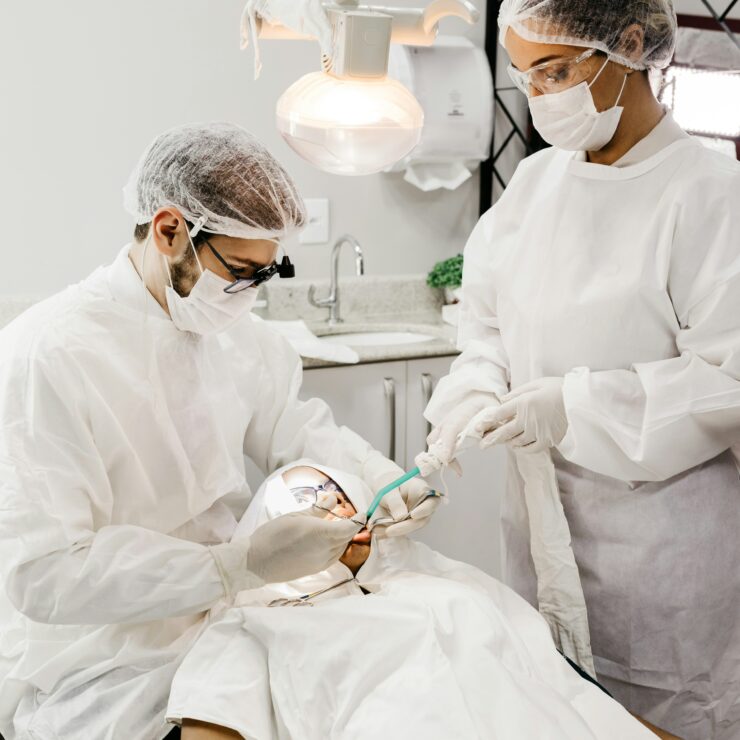
Regular dental check-ups can help identify problems early and prevent them from becoming more serious. Your dentist can provide advice, monitor your oral health and recommend treatment where needed.
Access to NHS dental care can sometimes be challenging. If you do not currently have a dentist, you can search for local NHS dental practices by following this link the NHS website. Private dental practices may also be available, although charges will vary.
If you are unable to access a dentist straight away, there are still important steps you can take to protect your oral health. Brushing effectively twice a day with fluoride toothpaste, cleaning between your teeth, reducing sugary foods and drinks, avoiding tobacco, and limiting alcohol can all help reduce the risk of tooth decay, gum disease and other oral health problems.
Many oral health problems do not improve without treatment and may become worse over time. If you have toothache, swelling, bleeding gums, ulcers that do not heal within three weeks, or any other concerns about your mouth, seek professional advice as soon as possible.
Urgent dental help
If you need urgent dental care, contact your dental practice. If this is not possible, use NHS 111 phoneline or online services, or follow this link to visit the NHS website for advice on accessing emergency or out-of-hours dental care.
Free, impartial advice on oral health and dental issues is also available from the Dental Helpline on 01788 539780 (local rate call).
NHS dental costs
NHS dental treatment is free for children under 18 and for some adults who receive certain benefits or support. For information about NHS dental charges and whether you may be eligible for free treatment, follow this link to visit the NHS website.
Reduce Risk of Disease

Check Your Mouth Regularly
Most changes in your mouth are harmless, but it’s important to know what to look out for. Mouth cancer can affect the lips, tongue, cheeks, roof or floor of the mouth and throat.
Contact your dentist or GP if you notice:
- An ulcer that does not heal within three weeks
- Red or white patches in the mouth
Early diagnosis greatly improves the chances of successful treatment. Taking a few moments to check your mouth regularly could help identify a problem early.
- A lump, swelling or thickened area in the mouth, lips or neck
- Persistent pain, numbness or discomfort in the mouth
- Difficulty chewing, swallowing or moving your tongue or jaw
Alcohol and Oral Health
Alcohol can increase the risk of tooth decay, gum disease and mouth cancer. Many alcoholic drinks are acidic, some contain high levels of sugar, and alcohol can reduce saliva production, making it harder for your mouth to protect itself.
Good oral hygiene can help reduce these risks, but cutting down on alcohol is one of the most effective steps you can take to improve your oral health and overall wellbeing.
Smoking and Oral Health
Smoking can have a serious impact on the health of your teeth, gums and mouth. It increases the risk of gum disease, tooth loss, bad breath, tooth staining, dry mouth and oral thrush. Smoking is also a major risk factor for mouth cancer.
Quitting smoking
Stopping smoking is one of the best things you can do for your oral health and your overall health. The benefits start almost immediately, and over time your risk of gum disease, tooth loss and mouth cancer begins to reduce.
Good oral hygiene, regular dental check-ups and professional cleaning can help keep your mouth healthy, but quitting smoking will have the greatest impact. Need help to quit? Follow this link to visit our Stop Smoking page for free local support.
Find out more about the oral health benefits of stopping smoking: Follow this link to The Oral Health Foundation: Quitting Smoking